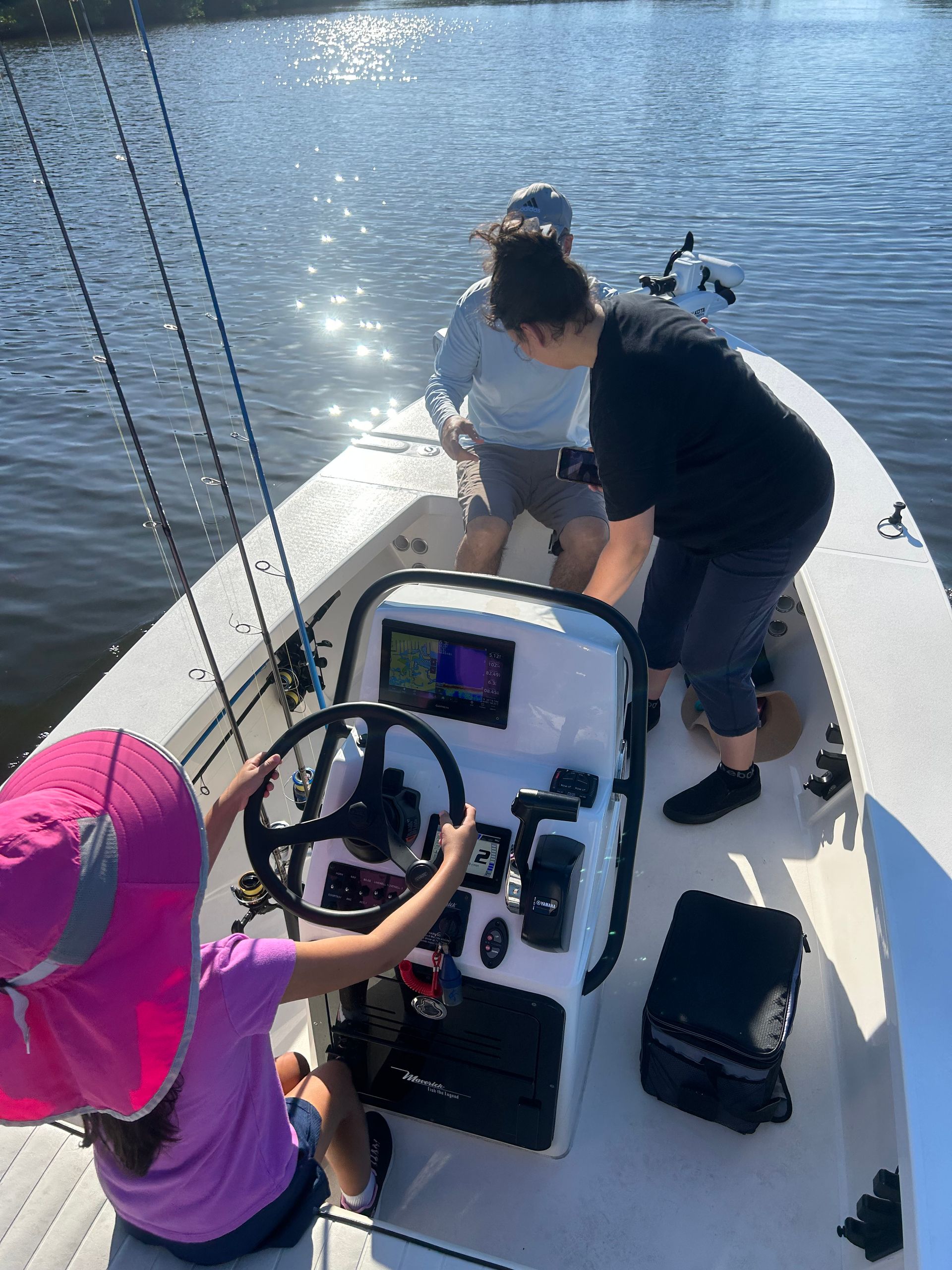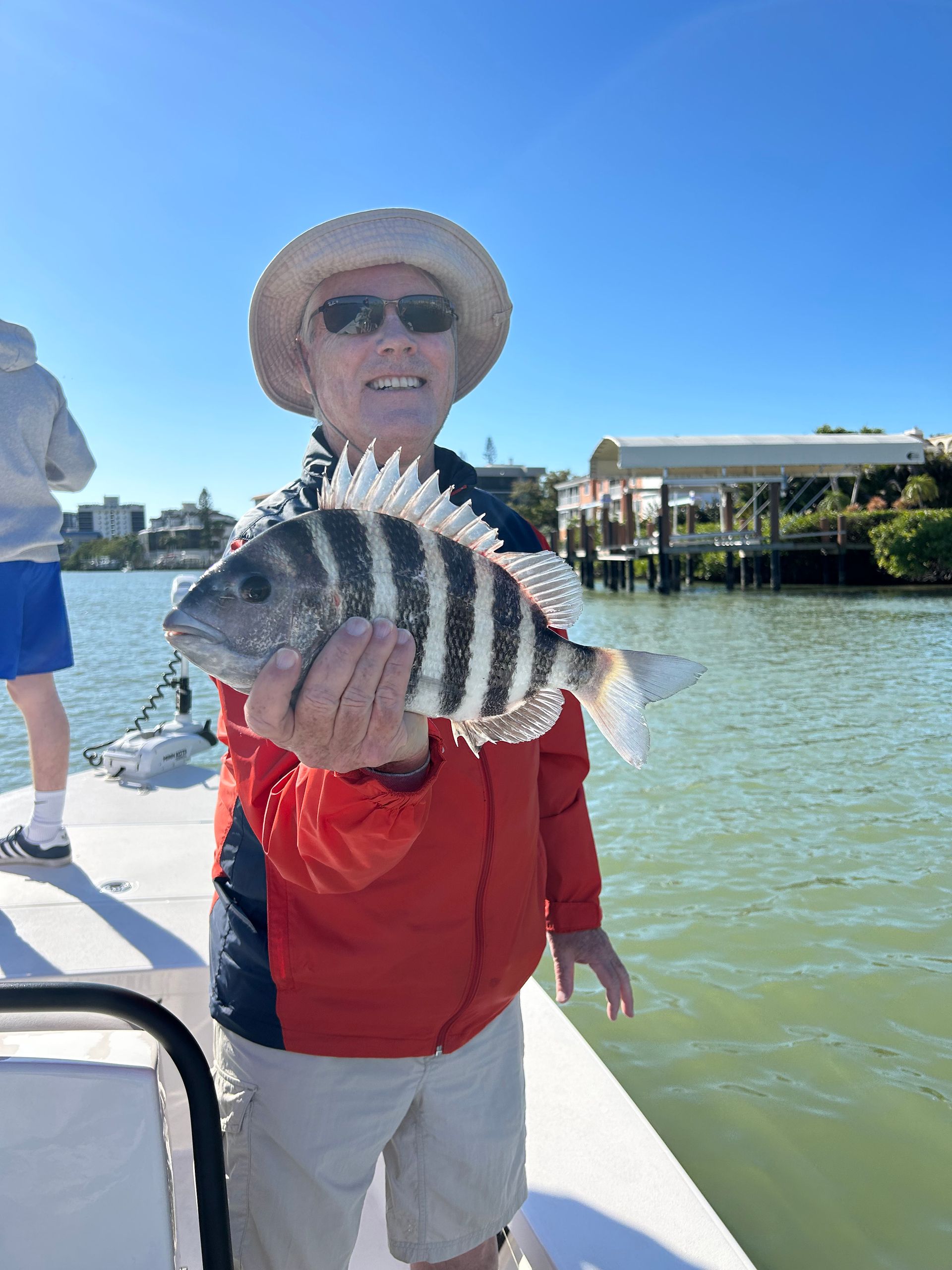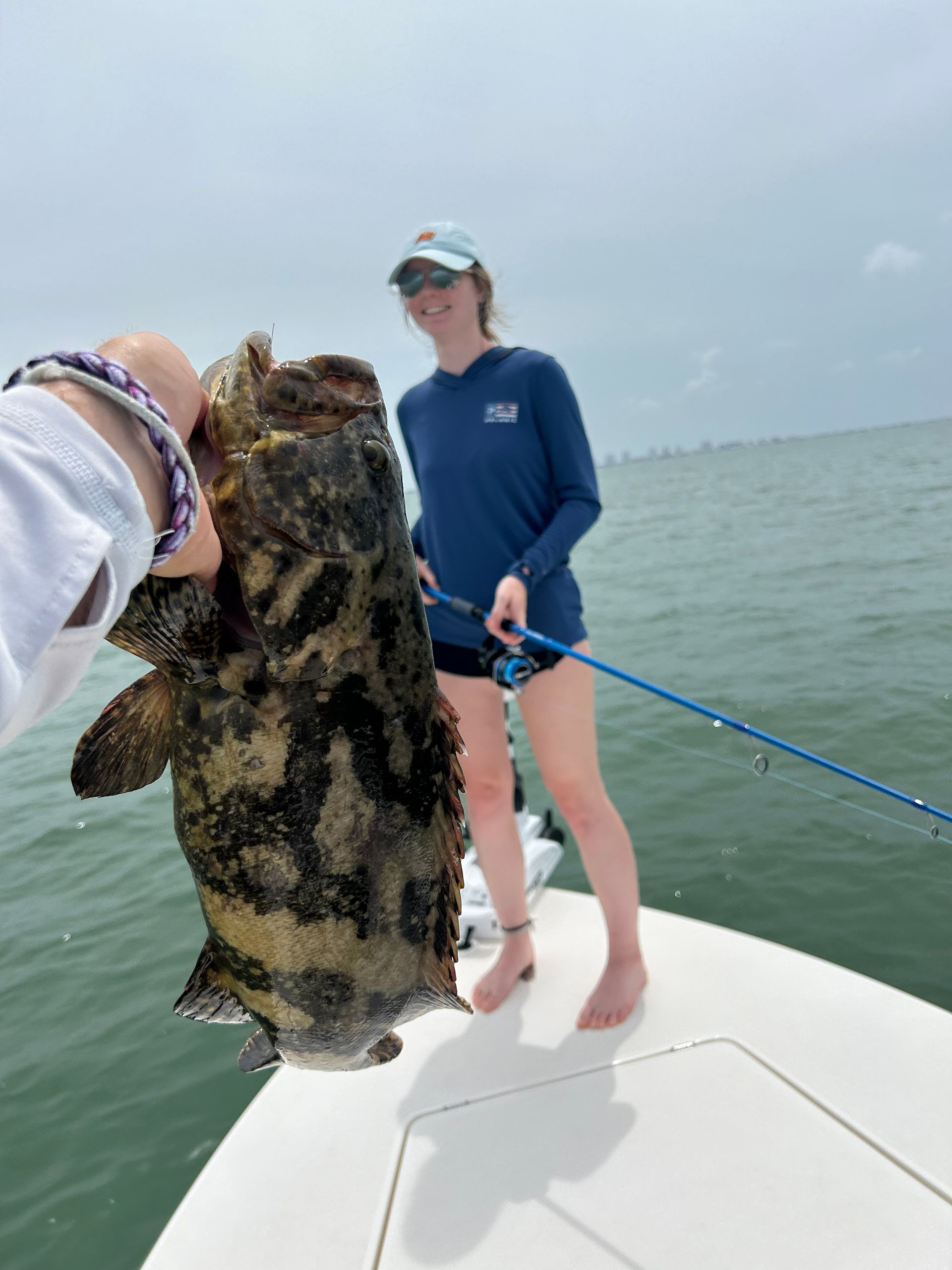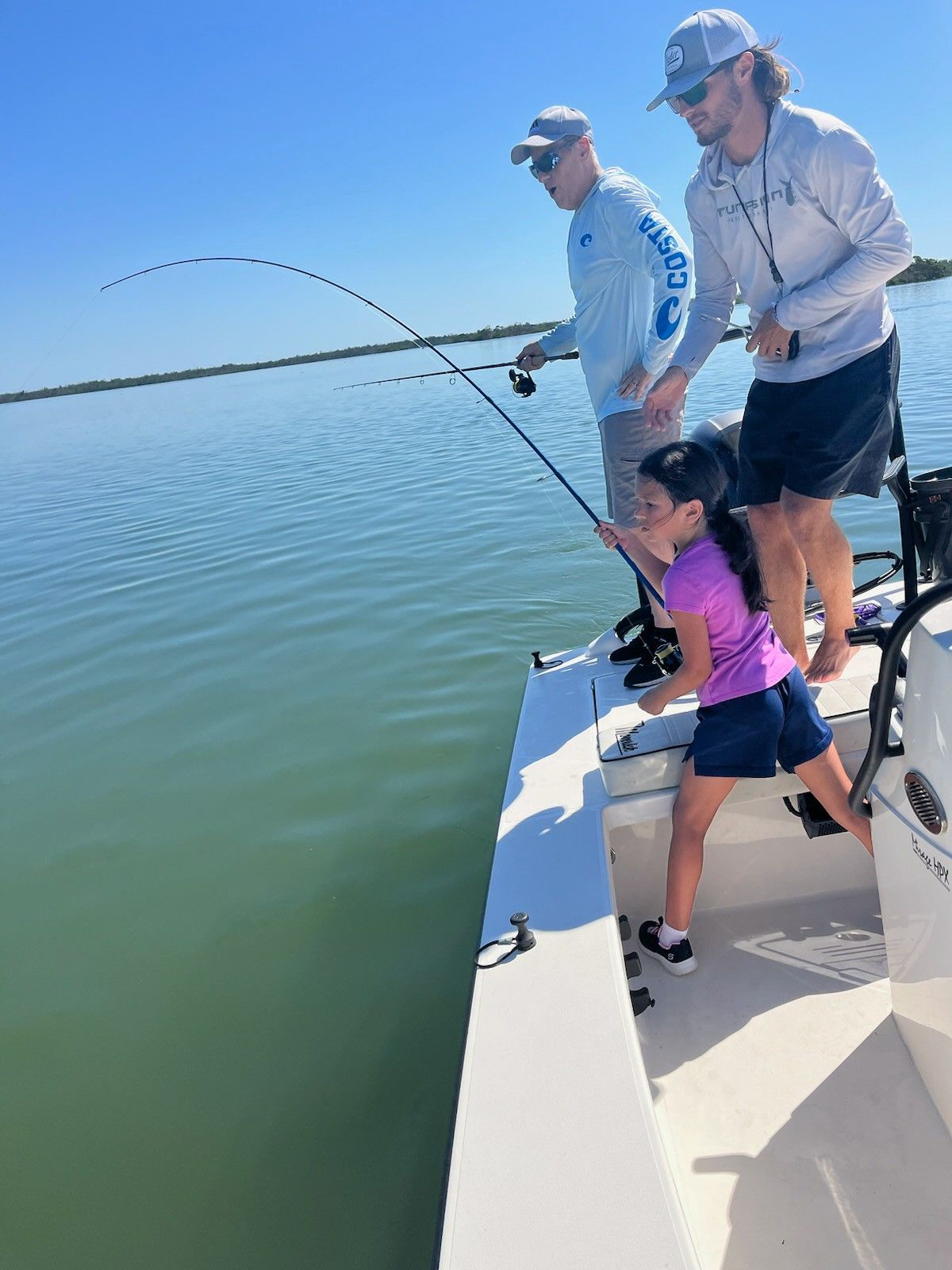
If you need the fishing variety that comes from combining saltwater canal structure, river transition zones, and Gulf nearshore access all within one charter window, Cape Coral is the only Lee County location that offers it. The city's 400-plus miles of canals—more than any other city in the world—create continuous snook and redfish holding structure throughout its residential waterways, while the Caloosahatchee River provides a salinity gradient where both freshwater bass and saltwater species position during seasonal bait movements. Flatfin Fishing Charters has spent six years learning how to move between these environments strategically to maximize what each Cape Coral trip produces.
Cape Coral's canal-dependent layout means productive fishing exists throughout the city, not just at a handful of public access points. Dock pilings, seawall corners, and canal mouths where tidal water flushes through create ambush points that hold snook consistently—and during warmer months, dock lights draw baitfish and the predators that follow them into easily-fishable positions after dark. The Caloosahatchee also connects Cape Coral to Lake Okeechobee's seasonal bass movements, a combination that no other coastal Lee County city can offer in the same fishing area. Captain Robert has mapped the productive canal sections and river staging areas that make a Cape Coral trip genuinely diverse rather than repetitive.
Anglers who experience Cape Coral fishing with a structured plan quickly understand what makes this city a surprisingly productive fishery. Reach out to Flatfin Fishing Charters to build a Cape Coral trip around the species and conditions that produce best for your timeframe.
The Cape Coral Fishing Process: Moving Between Canal, River, and Gulf
Maximizing Cape Coral requires moving strategically between three distinct environments—canal systems at specific tidal stages, the Caloosahatchee River's transition zones during bait migration periods, and Gulf-accessible nearshore structure when larger targets are in range. Flatfin Fishing Charters plans each Cape Coral trip around these movement windows rather than anchoring to a single location for the duration.
- Canal seawall approach: positioning presentations along dock pilings and channel corners where snook ambush baitfish pushed by outgoing tidal flow
- Tidal flush timing: targeting the first two hours of outgoing tide when baitfish concentrate at canal mouths and predators stage ahead of them
- Caloosahatchee transition: working the salinity gradient where freshwater species and snook both hold during seasonal mullet and baitfish runs
- Night fishing execution: reading dock light shadow edges and current lines to present lures in the precise strike zone without spooking fish
- Matlacha Pass routing: accessing northern Cape Coral's connection to Pine Island Sound when broader species diversity and backcountry conditions are the goal
A Cape Coral trip with this structured approach produces a diverse catch that single-environment charters can't replicate—multiple species across different holding structure, all within reach of this uniquely configured city. Contact Flatfin Fishing Charters to book a Cape Coral session built around conditions that actually produce.
Cape Coral's scale and canal complexity mean the difference between a productive trip and a frustrating one often comes down to knowing which canal systems hold fish, which dock configurations produce across different tidal stages, and how the Caloosahatchee's current influences where fish position on any given day. Flatfin Fishing Charters has mapped those specifics across six years of Cape Coral fishing.
- Anglers targeting snook on dock lights and canal seawalls often catch multiple fish from a single productive section, then relocate to repeat the pattern elsewhere in the city
- Cape Coral's freshwater canal network provides a secondary largemouth bass option during periods when saltwater species are less active or conditions aren't favorable
- Multi-species days combining canal snook, Caloosahatchee redfish, and nearshore trout are consistently achievable within a standard half-day charter window
- The city's sprawling residential canal layout means productive access exists across Cape Coral rather than at a handful of congested public ramps
- Seasonal bait movements through Cape Coral's canals mirror broader Lee County patterns, giving local canal knowledge that extends to the wider Southwest Florida fishery
Anglers who fish Cape Coral with Flatfin consistently come away with a variety that a single-environment trip can't deliver—snook, redfish, bass, and trout all within one session on the water. Book your Cape Coral charter and discover what Southwest Florida's most canal-connected city offers serious anglers.